
Marine navigation is a continuous process; they navigate day and night, in bad weather and in situations like fog. They need adequate safety and visibility. A strong light that can illuminate their way while navigating. On the vessel, there must be many navigation lights that can counter foggy or low-visibility conditions. Mariners can consider a bulk purchase of navigation lights at the event of marine navigation lights for sale and get the required illumination during nighttime or harsh weather. These lights are not merely critical for completing regulatory requirements, and they are also essential tools for averting collisions, boosting situational awareness and guiding ships safely to their destination. In this article, we focus on the topic of how marine navigation lights help nighttime and fog navigation, offering insight into their purpose and importance in maritime safety.
Marine Navigation Lights’ Function in Nighttime Navigation
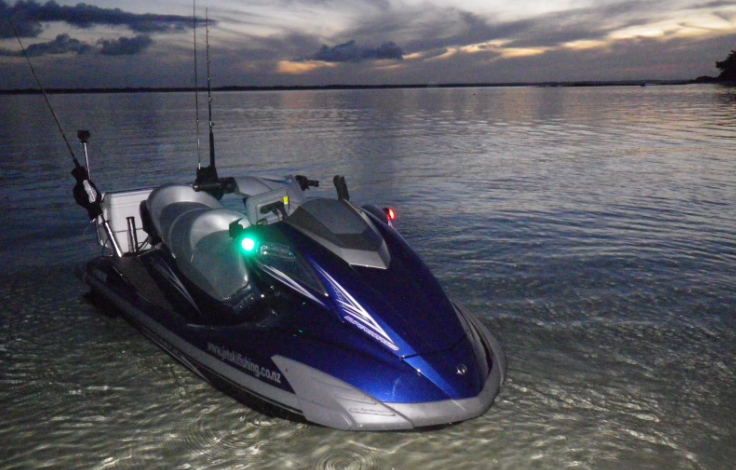
Marine navigation lights are carefully designed and positioned on vessels to signal their presence, direction, and status, even when visibility is low. These lights are essential for nighttime navigation because they enable sailors to see ships from a distance, giving them enough time to take the appropriate safety measures. The International Maritime Organisation (IMO) has set requirements for the types, colours, and placements of lights that ships must have.
These guidelines are necessary to ensure that sailors can quickly decipher the signals and make secure choices while at sea.


For example, sailors may determine the relative position and direction of another ship using the red and green lights on the port (left) and starboard (right) sides of the vessel. White lights, which are usually installed at the mast or stern, provide further indicators of vessel movement.
See also: Why a Custom Pop Up Canopy Is Every Vendor’s Secret Weapon
How to Increase Nighttime Navigation Using Marine Navigation Lights
1. Improving Safety and Visibility at Night
The challenges, navigating in the dark, are particularly noticeable at night. Unless they are lit with navigation lights, vessels are practically invisible to other mariners in the absence of natural sunshine. The careful placement of these lights ensures that a vessel is visible from various angles and distances, preventing collisions and assuring safe navigation.
2. Using Navigation Lights to Find Other Ships
Helping mariners find nearby vessels in the dark is one of the main purposes of maritime navigation lights. Without these lights, it would be practically impossible to notice another ship until it is dangerously close. Navigation lights boost a vessel’s visibility and, in doing so, considerably minimise the chance of collisions.
For example, the red and green sidelights allow each mariner to determine whether they need to change their course in order to prevent a collision when two vessels are moving in opposite directions. In situations where a mariner might be approaching a vessel from behind, the white stern light becomes crucial, signifying that the ship is either stationary or moving in a particular direction.
3. Changing with the Weather
Though maritime navigation lights are essential during the dark, they also play a significant role in severe weather situations, such as fog, heavy rain, or snow. In these cases, natural visibility is often decreased even further, and the lights give a means of seeing and being seen when environmental conditions would otherwise make navigating practically impossible.
4. Essential Function of Marine Navigation Lights in Fog Environment
One of the most severe weather conditions for sailors is fog since it drastically reduces visibility, often to a few meters or less. In such low-visibility conditions, relying entirely on visual navigation becomes nearly impossible. Because they enable sailors to identify nearby ships from a distance and take evasive action when necessary, maritime navigation lights become the main instrument for identifying other vessels.