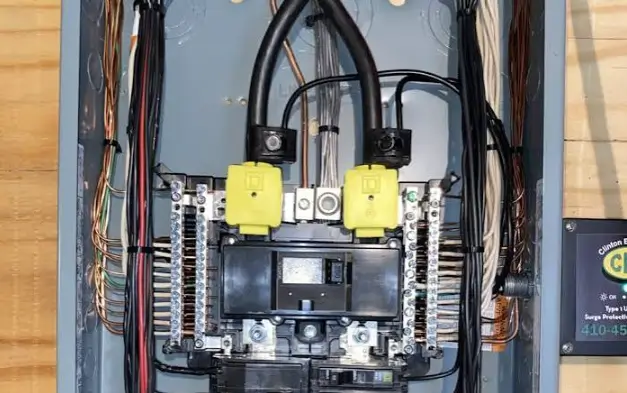
An electrical panel is one of the most important components of a home’s electrical infrastructure. It distributes electricity to different circuits and helps protect household wiring from excessive electrical current. Although this equipment is designed to operate reliably, certain problems can develop over time due to aging components, increased electricity consumption, or improper maintenance.
Identifying potential electrical issues early can help homeowners prevent unexpected power interruptions, reduce safety hazards, and avoid expensive repairs. Understanding common warning signs and knowing when to seek professional assistance are essential for maintaining a safe residential electrical system.
Why Early Detection of Electrical Problems Matters
Electrical problems do not always cause immediate power failures. In some cases, damaged components or deteriorating connections may continue operating while creating potentially dangerous conditions.


Recognizing unusual electrical behavior allows homeowners to arrange professional inspections before minor issues become more serious.
Early detection can provide several important benefits:
- Reduced risk of electrical fires.
- Improved protection for household appliances.
- Fewer unexpected power interruptions.
- Early identification of deteriorating components.
- Better long-term electrical system reliability.
- Improved safety for household occupants.
Regular observation and timely professional maintenance can contribute significantly to residential electrical safety.
Common Electrical Panel Problems to Watch For
Several electrical issues can affect the reliability and performance of residential distribution equipment.
Frequently Tripping Circuit Breakers
Circuit breakers are designed to interrupt electricity when certain unsafe conditions occur, including excessive current and short circuits.
Occasional tripping may result from temporary circuit overloading. However, repeated interruptions can indicate damaged wiring, faulty appliances, or other electrical problems.
A qualified electrician should investigate recurring breaker trips to identify the underlying cause.
Unusual Burning Smells
A burning odor near electrical distribution equipment can indicate overheating, damaged insulation, or deteriorating electrical connections.
This warning sign should never be ignored because excessive heat can increase the risk of an electrical fire.
If there is smoke, visible sparking, or an immediate danger, keep away from the equipment and contact emergency services.
Flickering or Dimming Lights
Lights that repeatedly flicker or become dim may indicate voltage fluctuations, loose connections, or problems affecting an individual circuit.
Although a defective light bulb can sometimes cause flickering, persistent problems involving multiple fixtures require professional investigation.
Buzzing or Crackling Sounds
Electrical distribution equipment should not produce persistent buzzing, crackling, or popping sounds.
These noises may indicate loose connections, damaged components, or potentially dangerous electrical faults.
Homeowners should avoid opening the enclosure or attempting internal repairs.
Visible Rust and Corrosion
Moisture exposure can damage electrical equipment and affect the reliability of internal connections.
Rust, water stains, or corrosion around an electrical enclosure may indicate that moisture has entered the system.
A professional inspection is necessary to determine the extent of the damage and identify appropriate repairs.
What Causes Residential Electrical Problems?
Understanding the factors that contribute to electrical deterioration can help homeowners make informed maintenance decisions.
Aging Electrical Equipment
Electrical components may deteriorate over time due to regular operation, environmental exposure, and general wear.
Older installations may require professional evaluation to determine whether existing equipment remains suitable for continued use.
Increasing Household Electricity Consumption
Modern households use numerous electrical appliances, including air conditioners, electric ovens, heating equipment, computers, and charging devices.
Additional electrical demand can place greater pressure on infrastructure that was originally designed for lower electricity consumption.
Improper Wiring Connections
Incorrectly installed or deteriorating wiring connections can affect electrical performance and create dangerous overheating conditions.
Electrical wiring should always be installed and maintained by qualified professionals.
Environmental Conditions
Excessive humidity, water intrusion, and other environmental factors can contribute to equipment deterioration.
Protecting electrical installations from moisture and physical damage is important for maintaining long-term reliability.
When Should Homeowners Consider Electrical Improvements?
Not every electrical problem requires replacing an entire distribution system. Some issues can be resolved through professional repairs, circuit modifications, or the replacement of compatible damaged components.
However, an electrical panel upgrade may become necessary when existing equipment is significantly deteriorated, unsuitable for modern electricity requirements, or unable to safely accommodate additional circuits.
A licensed electrician can inspect the installation, evaluate the property’s electrical load, and recommend appropriate improvements based on the condition and capacity of the existing system.
Preventive Measures for Maintaining Electrical Safety
Homeowners can follow several practical maintenance habits to reduce the likelihood of electrical problems.
Keep Electrical Equipment Accessible
Avoid placing storage boxes, furniture, or other household items directly in front of electrical distribution equipment.
Maintaining adequate clearance allows professionals to access the installation safely during inspections and repairs.
Avoid Overloading Circuits
Connecting multiple high-power appliances to the same circuit can create excessive electrical demand.
Appliances should be connected to appropriately rated circuits according to their electrical requirements.
Monitor Electrical Performance
Pay attention to recurring power interruptions, unusual sounds, burning odors, or visible damage around electrical equipment.
These warning signs should be evaluated promptly rather than ignored.
Protect Equipment From Moisture
Water exposure can affect electrical components and create potentially dangerous conditions.
Any evidence of moisture intrusion should be investigated by a qualified electrician.
Schedule Professional Inspections
Professional electricians can identify potential problems that may not be visible during a basic exterior examination.
Inspections are particularly valuable for older homes or properties experiencing recurring electrical issues.
Why DIY Electrical Repairs Can Be Dangerous
Electrical distribution systems contain components that can remain energized even when the main breaker is switched off.
Attempting to repair internal wiring, replace circuit breakers, or modify electrical connections without appropriate training can expose homeowners to serious electric shock and burn hazards.
Qualified electricians have the necessary technical knowledge, specialized tools, and safety training to diagnose electrical problems properly.
Professional repairs also help ensure that replacement components are compatible with the existing equipment and comply with applicable electrical codes.
How Regular Maintenance Supports Long-Term Reliability
Preventive electrical maintenance is an important part of responsible homeownership.
Professional assessments can help identify aging components, evaluate circuit protection, and determine whether the existing electrical infrastructure remains suitable for household requirements.
Maintaining accurate circuit labels, keeping equipment accessible, and avoiding excessive electrical loads can further support reliable performance.
These practices can also help homeowners plan future renovations and electrical improvements more effectively.
Conclusion
Recognizing electrical panel problems early is essential for maintaining a safe and dependable residential electricity supply. Warning signs such as frequently tripping breakers, burning odors, unusual sounds, and visible corrosion should never be overlooked.
By understanding common electrical issues, practicing preventive maintenance, and arranging timely professional inspections, homeowners can reduce potential hazards and protect their electrical infrastructure.
Taking a proactive approach to electrical safety helps maintain reliable household performance while creating a safer environment for everyone living in the property.